Ecoboost_xsport
SHO Member
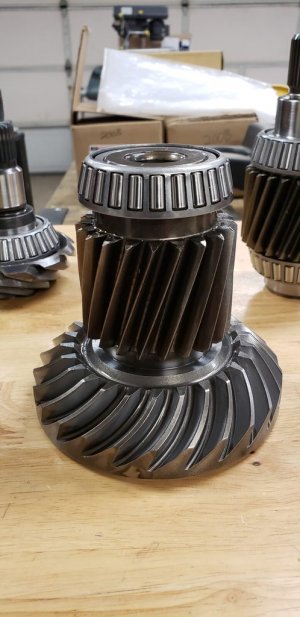
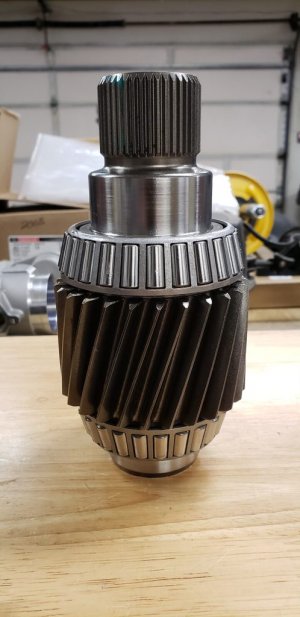
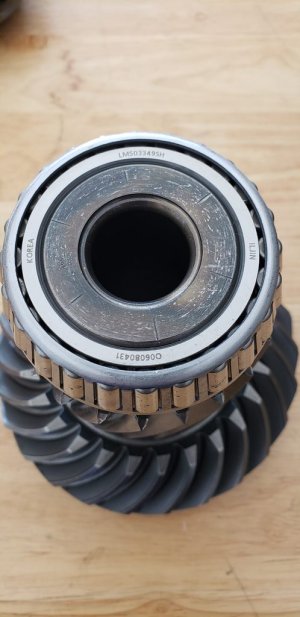
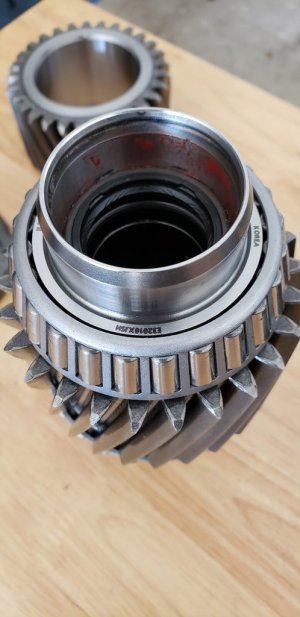
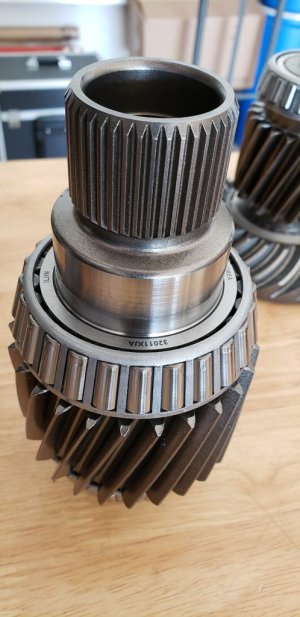
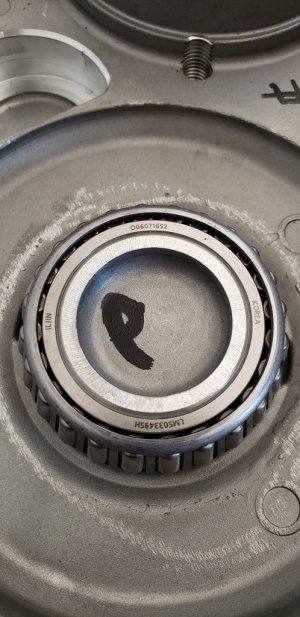
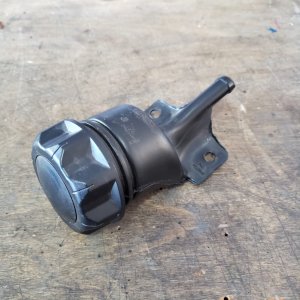
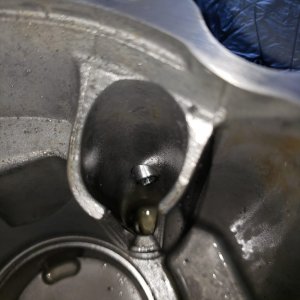
So, this is my attempt at doing what little we can to improve the PTU with what is currently available. I’d also like to make it a resource for those of you looking for detailed photos of the latest version of our PTUs (which has the cooler). I’ve completely torn down the PTU, and sourced all brand-new seals for it. I will keep the photos at max resolution so apologies for their size, but some may find it helpful.
In this photo, looks like the vehicle is beginning to experience some of those dreaded PTU failure symptoms. Last time I was underneath the truck, I saw quite a bit of oil covering the body of the PTU, and soaking the portion of the exhaust that sits underneath it. It hasn’t failed, in that I don’t have any drive-ability issues yet, but it is coming I’m sure. I will say, that I have NOT been proactive with changing of the fluid. Not because I’m lazy but because I was not aware of the PTU issues until very recently. Call it my ignorance on it, but regardless, I’m glad I caught it when I did. It’s a 2015 with just a hair over 30K miles on it. I don’t drive it much, believe it or not, this is pretty much my dedicated project car.

Anyway, being the consummate prepper that I am, and wanting to keep downtime to a minimum, I went and purchased a brand new one before I am even taking the old one out.
Ford Part Number: DG1Z-7251-F
My punch list for things I want to accomplish with this:
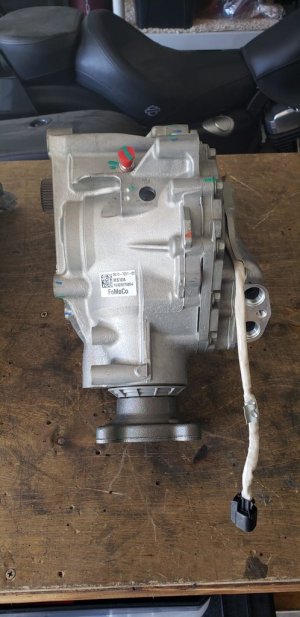
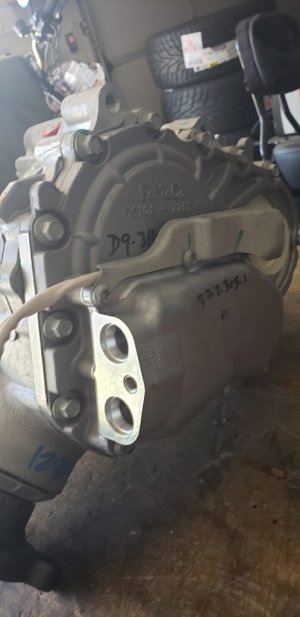
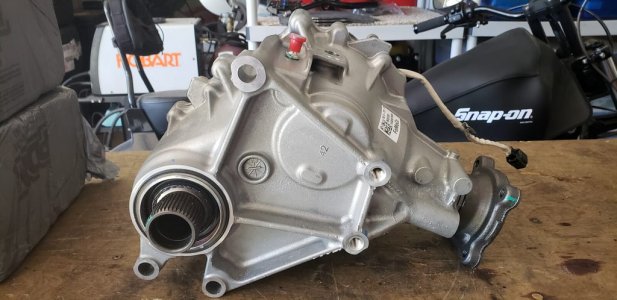

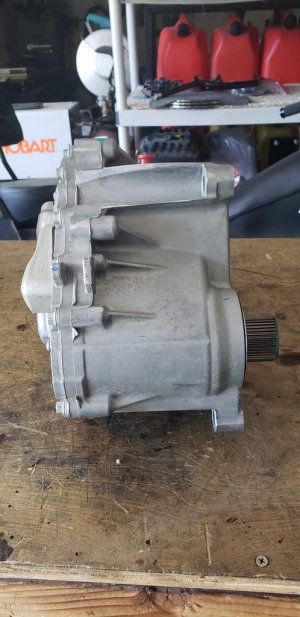
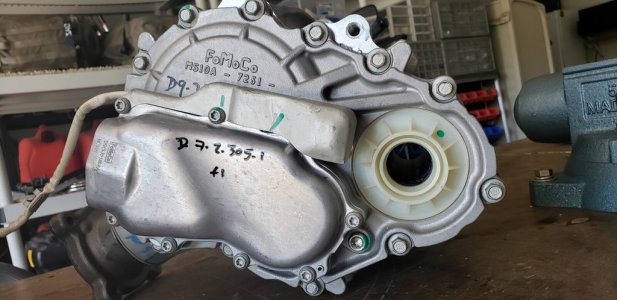
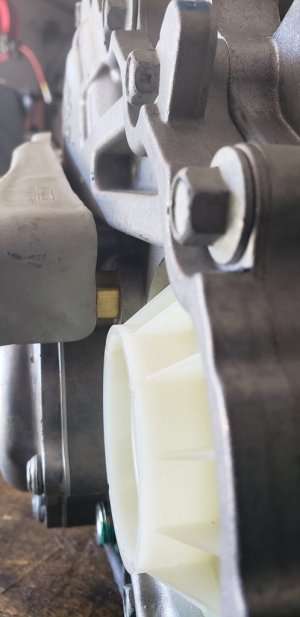
Now I want to say, I truly believe if you have an older SHO/Flex/XSport that doesn’t have this cooler, you COULD make this version with the cooler work. It would take some effort, but I am certain it could be accomplished. You’d have to buy the hose:
Ford Part Number: BB5Z-8A519-G

Then run your lines through an aftermarket pump and heat exchanger of some sort. It would be a pretty trick setup if done right.
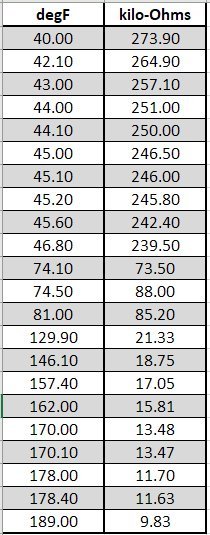
And for those of you wanting to do just that and get REALLY fancy by using the included temperature probe to wire up to the pump or some sort of temp gauge, I think I did some of the legwork for you on giving you some data on the output of that probe and how it correlates to temperature. I figured since I have it off and I have the tools to do this, I’d pass this onto you guys. What I did was use two of my Fluke meters, using one that has temp reading capability with a probe end right next to the actual probe itself, and use the other meter to read the resistance output of the probe at various temperatures. I created those various temps using ice water then boiled water. Dipping the end of the probe into the liquids and taking temp recordings at various intervals. Here is a simple spreadsheet showing the results. This may help those interested in the scaling of this particular temp sending unit:
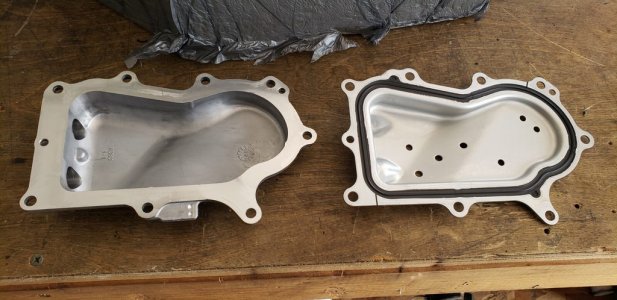
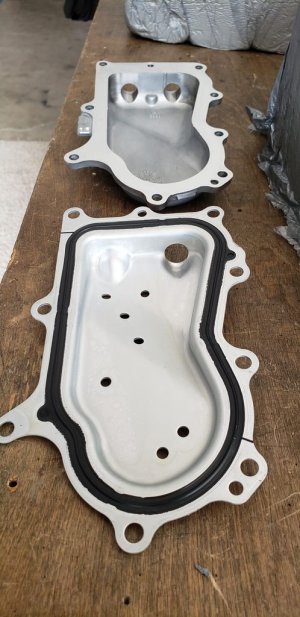
As I disassembled it, here is what the cooler actually looks like. It isn’t very complex, I wonder if there is any way to improve it:
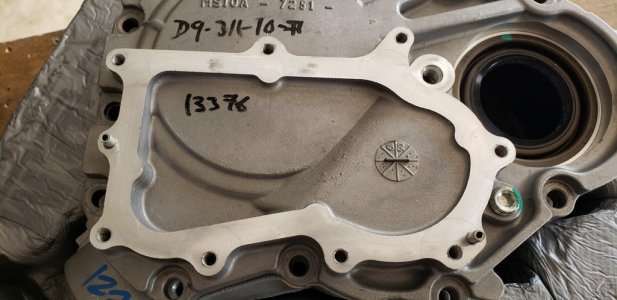
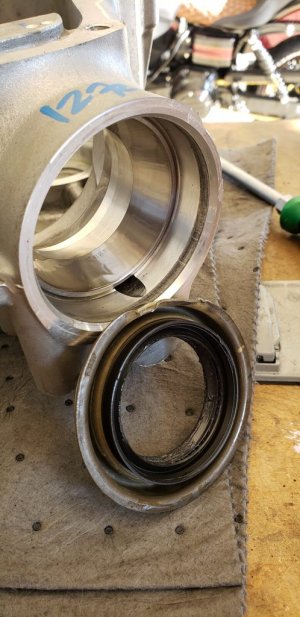
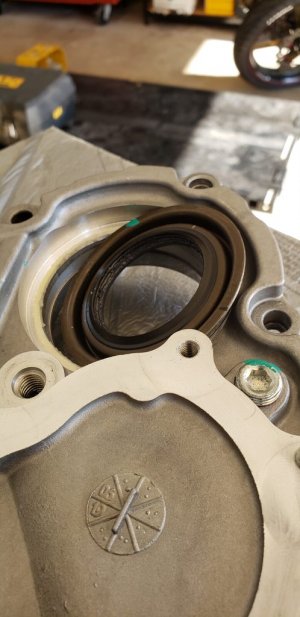
So, before I started complete disassembly, I ordered a replacement for every single seal, gasket or one-time-use part as I wasn’t sure how much I would destroy trying to take them apart. Below is a list of all the Ford Part Numbers you will need as far as seals or seal kits go:
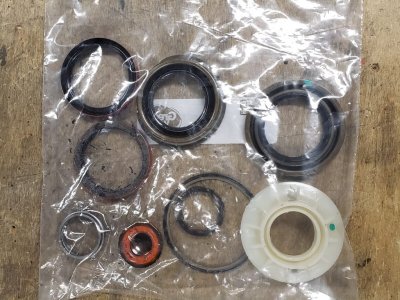
Here’s a bag of all the old seals after being removed. The stuff in this bag will be thrown away, but not until it’s all done, LOL:
In this photo, looks like the vehicle is beginning to experience some of those dreaded PTU failure symptoms. Last time I was underneath the truck, I saw quite a bit of oil covering the body of the PTU, and soaking the portion of the exhaust that sits underneath it. It hasn’t failed, in that I don’t have any drive-ability issues yet, but it is coming I’m sure. I will say, that I have NOT been proactive with changing of the fluid. Not because I’m lazy but because I was not aware of the PTU issues until very recently. Call it my ignorance on it, but regardless, I’m glad I caught it when I did. It’s a 2015 with just a hair over 30K miles on it. I don’t drive it much, believe it or not, this is pretty much my dedicated project car.
Anyway, being the consummate prepper that I am, and wanting to keep downtime to a minimum, I went and purchased a brand new one before I am even taking the old one out.
Ford Part Number: DG1Z-7251-F
My punch list for things I want to accomplish with this:
- Change drain plug to bottom of case in order to ensure complete drainage of fluid when performing oil changes.
- Extend hose from vent to top of engine bay to facilitate future oil changes and fills.
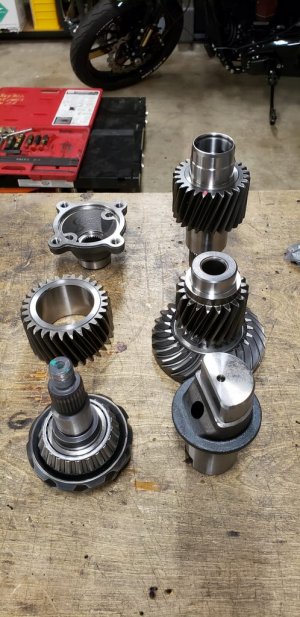
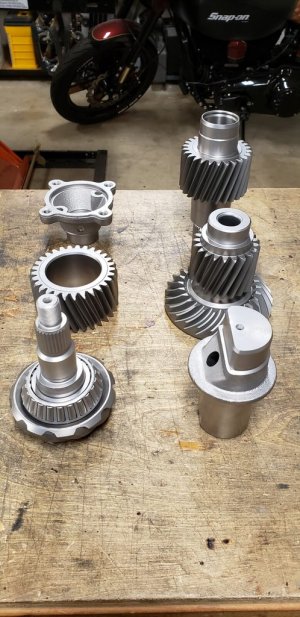
- Send all gears and cast components to receive WPC treatment (WPC Treatment).
- Send all gears, cast components, bearings and case to receive cryogenic treatment (Nitrofreeze).
- If possible, research possible higher quality bearings to replace existing ones.
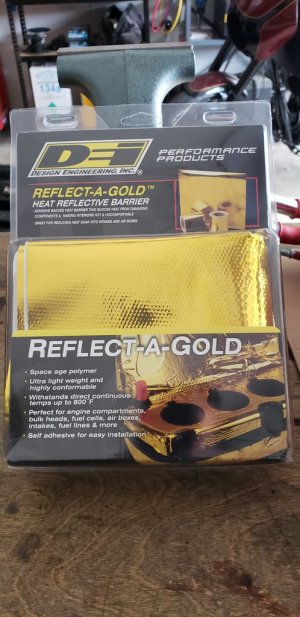
- Apply gold metallic radiant heat reflection material to outside of case.
Now I want to say, I truly believe if you have an older SHO/Flex/XSport that doesn’t have this cooler, you COULD make this version with the cooler work. It would take some effort, but I am certain it could be accomplished. You’d have to buy the hose:
Ford Part Number: BB5Z-8A519-G
Then run your lines through an aftermarket pump and heat exchanger of some sort. It would be a pretty trick setup if done right.
And for those of you wanting to do just that and get REALLY fancy by using the included temperature probe to wire up to the pump or some sort of temp gauge, I think I did some of the legwork for you on giving you some data on the output of that probe and how it correlates to temperature. I figured since I have it off and I have the tools to do this, I’d pass this onto you guys. What I did was use two of my Fluke meters, using one that has temp reading capability with a probe end right next to the actual probe itself, and use the other meter to read the resistance output of the probe at various temperatures. I created those various temps using ice water then boiled water. Dipping the end of the probe into the liquids and taking temp recordings at various intervals. Here is a simple spreadsheet showing the results. This may help those interested in the scaling of this particular temp sending unit:
As I disassembled it, here is what the cooler actually looks like. It isn’t very complex, I wonder if there is any way to improve it:
So, before I started complete disassembly, I ordered a replacement for every single seal, gasket or one-time-use part as I wasn’t sure how much I would destroy trying to take them apart. Below is a list of all the Ford Part Numbers you will need as far as seals or seal kits go:
- 7T4Z-7086-A (Qty: 1)
- 7E5Z-7H469-C (Qty: 2)
- DB5Z-7275-E (Qty: 1)
- GB5Z-7275-A (Qty: 1)
- 7T4Z-7R284-A (Qty: 1)
Here’s a bag of all the old seals after being removed. The stuff in this bag will be thrown away, but not until it’s all done, LOL:
Last edited: