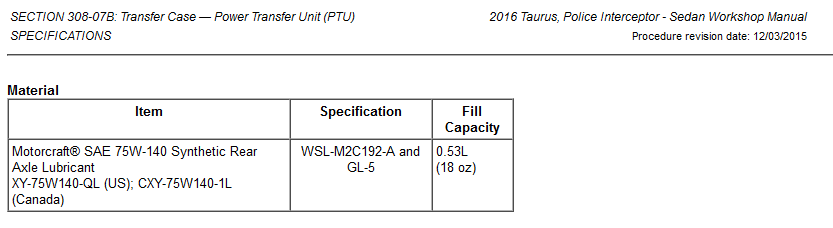
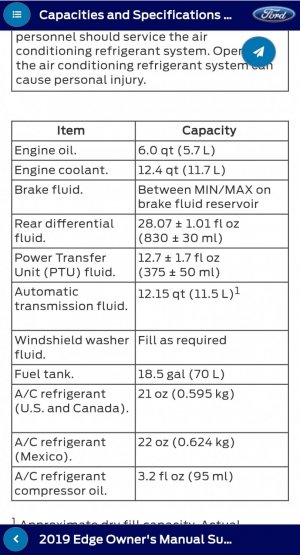
I started going over my old numbers on the PTU gear ratio and the RDU end gear ratio. I decided to apply them to the normal Sho and the performance pack. It shows a slightly higher gearing difference between the two. So a very slight gearing advantage to the non performance pack for cornering. Meaning slightly more revolutions of the rear wheel. So maybe a little more torque fed to the back wheels. A miniscule percentage though.
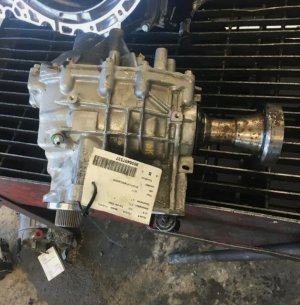
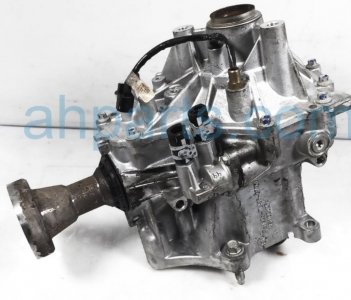
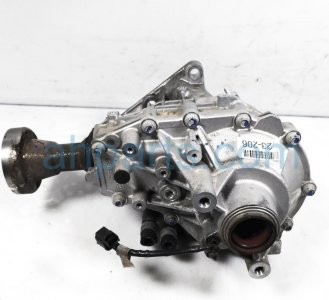
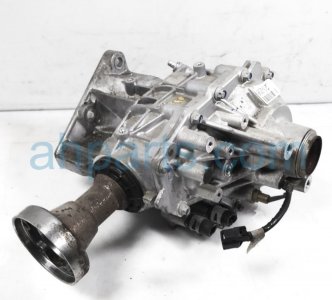
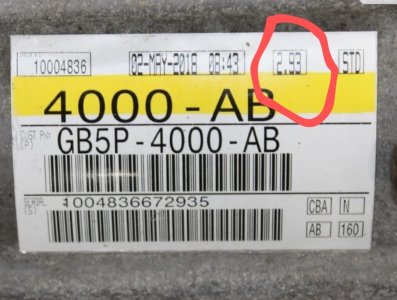
Picture one is the tooth count and actual gear ratio out of the PTU.
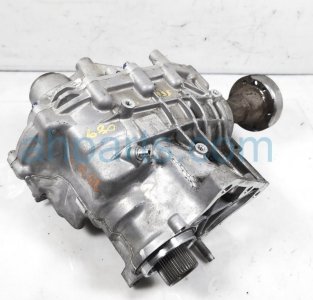
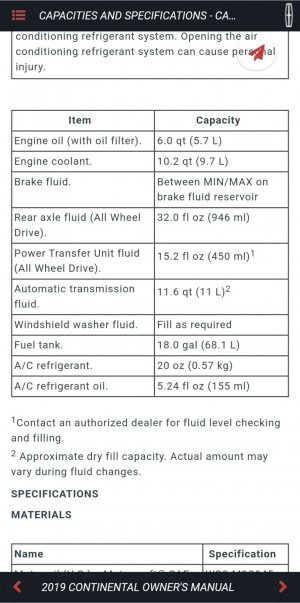
Second picture is the actual gear ratio of the rear end.
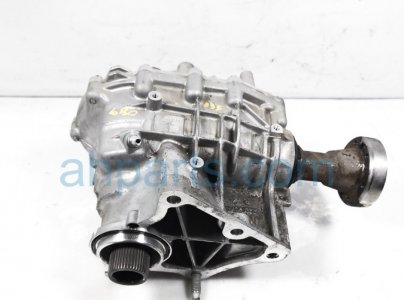
Third picture is percentage of how much lower geared the rear differential is to the ptu.
Fourth picture is the percentage of how much the input yoke to the rear differential turns faster than the drive shaft. That's if you are headed in a straight line and all wheels are exactly the same size.
The fifth picture is the normal gear ratio times the percentage difference. How much faster the rear differential turns compared to the front differential gear ratio.
The sixth picture is the performance pack gear ratio times the performance difference. Or how much faster the rear differential compares to the front differential.
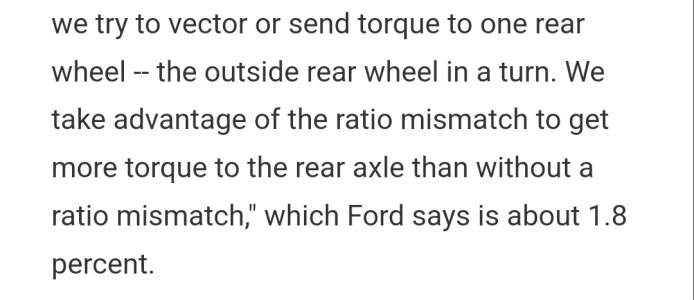
Now with the Focus RS the rear end differential ratio is 1.8% or 1.018 higher than the front differential 4.06:1. Meaning 4.06÷1.018=3.9882121807:1 rear differential ratio. Now the RS can normally send about 70% of the torque to the rear differential.
Now I realize the "percentage difference" between front and rear differentials between the standard SHO and the performance pack cars should be the same. But I'm kind of wondering if the physical RPM speed differential would end up with the non-performance pack having slightly more rear torque transfer. I could be wrong. Not that I'm suggesting anyone should put very slightly larger rear wheels on their car. But a tiny speed differential might amount to more transfer of torque to the rear. Now remember the Focus RS only has a 1.9% difference between front and rear differential ratios. Yet it under normal operating mode transfers roughly 70% of the torque to the rear. Spikes have been seeing of up to 90%. All due to rear end ratio bias.
As it is I'm trying to figure out the differential code that you need to enter when you change differentials. The code is based on age and wear characteristics of each individual differential. I changed differentials recently. I installed a used differential and eventually entered the new differential code. It acted about the same with the old code and much improved with the new code. I don't have a lot of wheel spin if any now.. I went quite some time with the replacement RDU installed before updating. The early cars use a oil-filled RDU clutch. Oil thins as it ages. This is an old RDU with already thinned oil. Hard to judge how the brand new car worked with new parts. Since I haven't owned the car since new. But I'm guessing the Aging algorithm, yes it uses one, is engaging the RDU clutch as if it was fresh. Because that's what it's supposed to do. So the clutch would be engaged more firmly to overcome the thicker oil of a new unit. This is an ongoing project I haven't gotten too far yet. Warning to anyone contemplating playing with the RDU number. My research so far has turned up that Hyundai used the same system we have on certain vehicles. Read all of the following completely.
The supplier can and does Supply control units. Don't know if Ford uses their unit. I don't know if Hyundai uses their unit. What I do know is from reading through training sessions from Hyundai, is that the RDU number can only be updated five times.
Whether or not that applies to us I do not know. Tread carefully if you decide to play with this. I take no responsibility for someone's f****** up their unit and having to acquire a new control unit because they input too many number changes and it refused to take more updates. Also understand that updating the number has perils. Mainly, sometimes reprogramming can fail. Be careful.
Also understand that our RDU is a rather weak differential unit. It's only slightly stronger than the weakest Dana rear differential. Feeding too much torque into it, can **** can it. It's not just the clutch in the RDU that's limited.
Anyhow enough of my daydreaming.