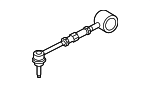
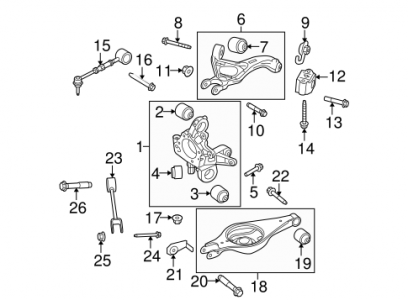
Here are the Highlights from the NHTSA Bulletin:
Chronology :
June 2019: Ford approved service actions for specific populations of Taurus, Flex, MKS, and MKT vehicles in Canada based on certain unique road conditions contributing to elevated rates of rear suspension toe link fractures at a lower time in service. For the remainder of the global population of 2009-2018 MY Taurus/Flex/ MKS/MKT vehicles, the rate was low. Ford continued to monitor and investigate reports globally for vehicles not included in the prior service actions and shared the status of its ongoing investigation with the agency.
June 2019 – January 2020: As part of its ongoing investigation regarding the global performance of these vehicles and based on evaluation of complaint vehicles in the field, Engineering conducted extensive computer simulated and physical life cycle testing to identify potential contributors to toe link fracture. This testing confirmed that toe link fracture is not expected to occur on vehicles subjected to the types of road conditions and vehicle applications for which these vehicles were designed and tested. However, this testing also found that certain vehicles with a relatively high toe link torsional bushing rate (stiffer), subjected to frequent full rear suspension articulation (jounce and rebound), could potentially experience a toe link failure.
As of December 2019, there have been six reports to Ford of fractured rear suspension toe links on 2013-2018 Flex/ MKT/Taurus Police vehicles in the U.S.. These vehicles have a relatively high toe link torsional bushing rate. Analysis based on field data indicates that these vehicles operated in non-recalled markets may have a low but increasing rate of toe link fractures during their anticipated useful life.
On February 3, 2020, Ford’s Field Review Committee reviewed the concern and approved a field action. Ford is not aware of any reports of accident or injury related to this condition in markets included in this action.