The perfect storm.
Every now and then a build teaches you more than you planned to learn. This one did exactly that.
It started simple—just a new engine, a better design, a more capable platform. But one wrong gasket led to another discovery, one fix led to another upgrade, and before long the car was showing me how every system truly talks to every other one.
I always knew the mechanical and electronic sides were connected, but I didn’t understand how deep that connection ran until now. The deeper I got, the clearer it became—every leak, noise, voltage drop, and fuel trim wasn’t isolated. They were all part of one language the car was speaking back to me.
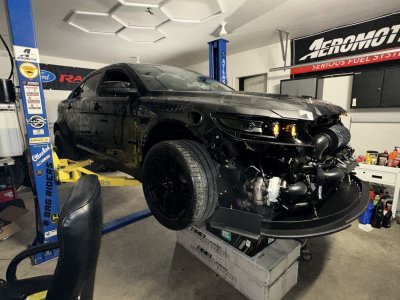
Coolant leaks, torn VVT gaskets, a scavenger pump that couldn’t keep up, wrong advice on turbo water lines—all of it forced me to look closer. I redesigned the oil system, reclocked the turbos, added water lines, and built a new return system that finally worked. The car started responding like it was thankful.
Then came the alignment issues, wrong O₂ placement, crankcase pressure problems, and a few small fuel details. I re-engineered, rewired, and replumbed everything—baffled catch cans, larger fuel lines just for extra margin, new sensors, separated boost references. One by one, the systems started syncing up.
But the biggest challenge was tuning. At some point, I stopped accepting simple explanations. I wanted real answers. I pushed past surface-level fixes and demanded full logic—table by table, torque model by torque model. I stopped being the student and started being the system analyst, forcing the conversation into true technical depth. That’s when the gaps revealed themselves.
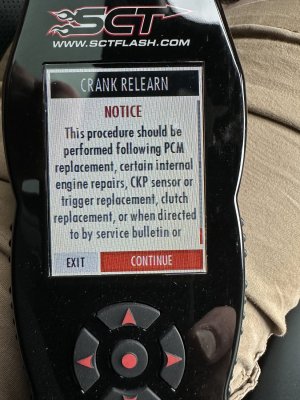
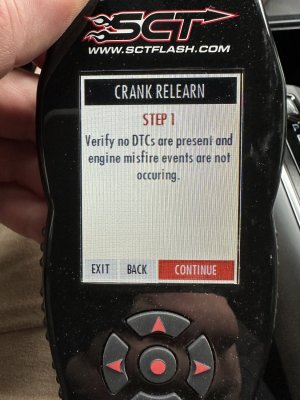
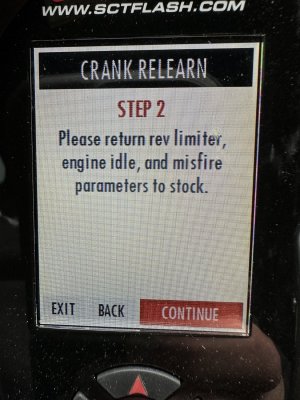
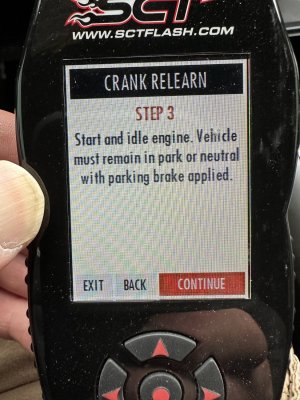
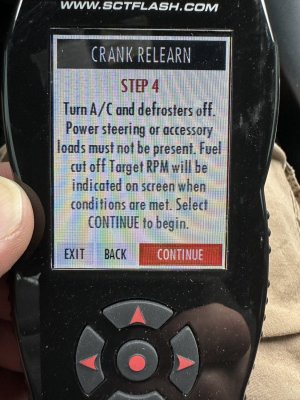
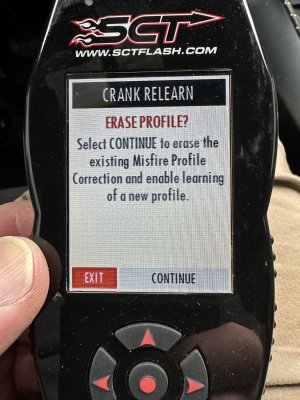
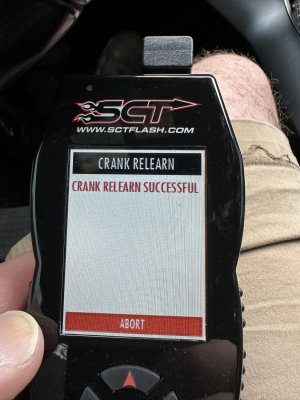
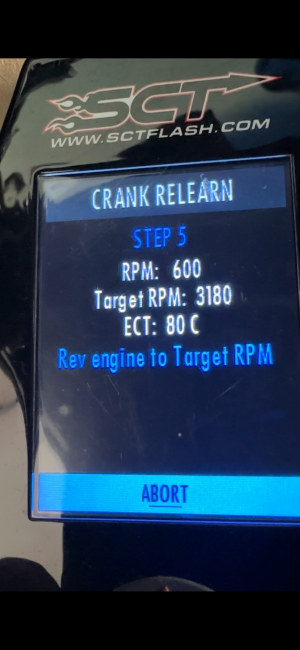
And buried in those gaps was the truth: the car was never in sync. The billet 3-bolt converter and flexplate setup, the transmission reflash, the raised idle—all done without a crank relearn. The entire foundation was mechanically perfect but electronically unaware of it.
Now that missing link is about to be corrected. With ARP converter bolts torqued and locked, a 12 psi Tial spring holding pressure, and the crank relearn ready to recalibrate the heart of the system, everything finally lines up.
The sunshine at the end of this storm won’t just be a sharper spool or harder boost hit—it’ll be that first clean, crisp, perfectly timed upshift that catapults the car forward faster and smoother than it ever has before.
This wasn’t just a build. It was a complete re-engineering of understanding—learning that perfection isn’t found in any one part, but in how all of them finally work together as one.
Every now and then a build teaches you more than you planned to learn. This one did exactly that.
It started simple—just a new engine, a better design, a more capable platform. But one wrong gasket led to another discovery, one fix led to another upgrade, and before long the car was showing me how every system truly talks to every other one.
I always knew the mechanical and electronic sides were connected, but I didn’t understand how deep that connection ran until now. The deeper I got, the clearer it became—every leak, noise, voltage drop, and fuel trim wasn’t isolated. They were all part of one language the car was speaking back to me.
Coolant leaks, torn VVT gaskets, a scavenger pump that couldn’t keep up, wrong advice on turbo water lines—all of it forced me to look closer. I redesigned the oil system, reclocked the turbos, added water lines, and built a new return system that finally worked. The car started responding like it was thankful.
Then came the alignment issues, wrong O₂ placement, crankcase pressure problems, and a few small fuel details. I re-engineered, rewired, and replumbed everything—baffled catch cans, larger fuel lines just for extra margin, new sensors, separated boost references. One by one, the systems started syncing up.
But the biggest challenge was tuning. At some point, I stopped accepting simple explanations. I wanted real answers. I pushed past surface-level fixes and demanded full logic—table by table, torque model by torque model. I stopped being the student and started being the system analyst, forcing the conversation into true technical depth. That’s when the gaps revealed themselves.
And buried in those gaps was the truth: the car was never in sync. The billet 3-bolt converter and flexplate setup, the transmission reflash, the raised idle—all done without a crank relearn. The entire foundation was mechanically perfect but electronically unaware of it.
Now that missing link is about to be corrected. With ARP converter bolts torqued and locked, a 12 psi Tial spring holding pressure, and the crank relearn ready to recalibrate the heart of the system, everything finally lines up.
The sunshine at the end of this storm won’t just be a sharper spool or harder boost hit—it’ll be that first clean, crisp, perfectly timed upshift that catapults the car forward faster and smoother than it ever has before.
This wasn’t just a build. It was a complete re-engineering of understanding—learning that perfection isn’t found in any one part, but in how all of them finally work together as one.
Last edited: